Methylation Technology Drives Innovation in Tumor Early Screening: Professor Xie Xiaobing Authoritatively Interprets the Dual-Gene Methylation Expert Consensus for Cervical Cancer

The 19th Chinese Medical Association National Conference on Laboratory Medicine was held in Jinan, Shandong, where top experts from across the country collectively focused on the complete chain of methylation technology from basic research to clinical application, systematically elaborating on its application in common high-incidence cancers including gynecologic tumors, breast cancer, and digestive tract tumors, with in-depth discussion on how it enables the advancement of tumor prevention and treatment.
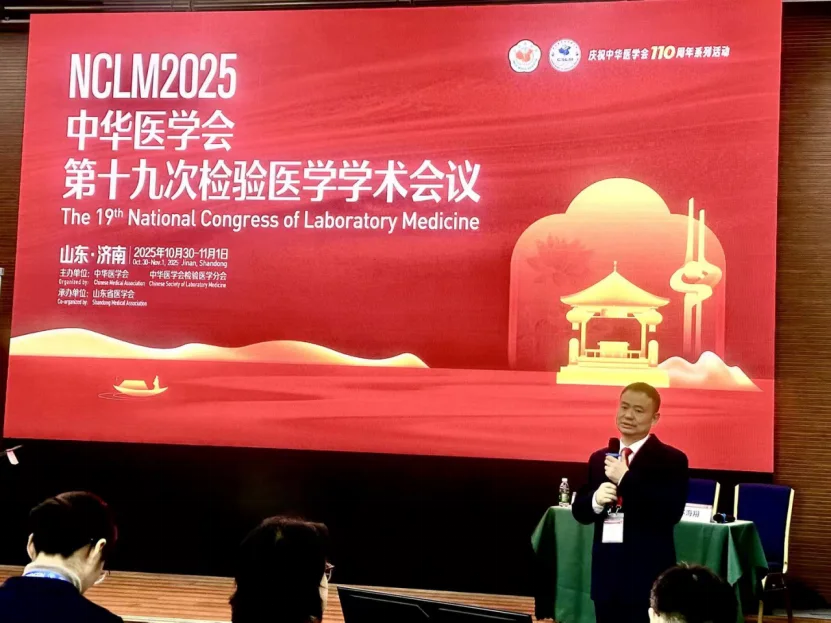
The forum specially invited Professor Xie Xiaobing, Director of the Medical Laboratory Center at the First Affiliated Hospital of Hunan University of Chinese Medicine, to authoritatively interpret the Expert Consensus on the Workflow, Reporting, and Clinical Application of Combined PAX1 and JAM3 Dual-Gene Methylation Detection for Cervical Cancer. The development of this consensus broke through the traditional model of clinical guidelines being driven by a single specialty, achieving for the first time deep collaboration across five national-level academic organizations spanning laboratory medicine, pathology, and gynecologic oncology, comprehensively covering a multidisciplinary collaboration model across technology standardization, pathological diagnosis, and clinical application.

Professor Xie pointed out that PAX1 and JAM3 gene methylation detection for early diagnosis of cervical cancer not only indicates persistent HPV infection status but also effectively identifies high-grade cervical lesions, providing a new technological pathway for cervical cancer detection and reducing colposcopy referrals by 57.21%.
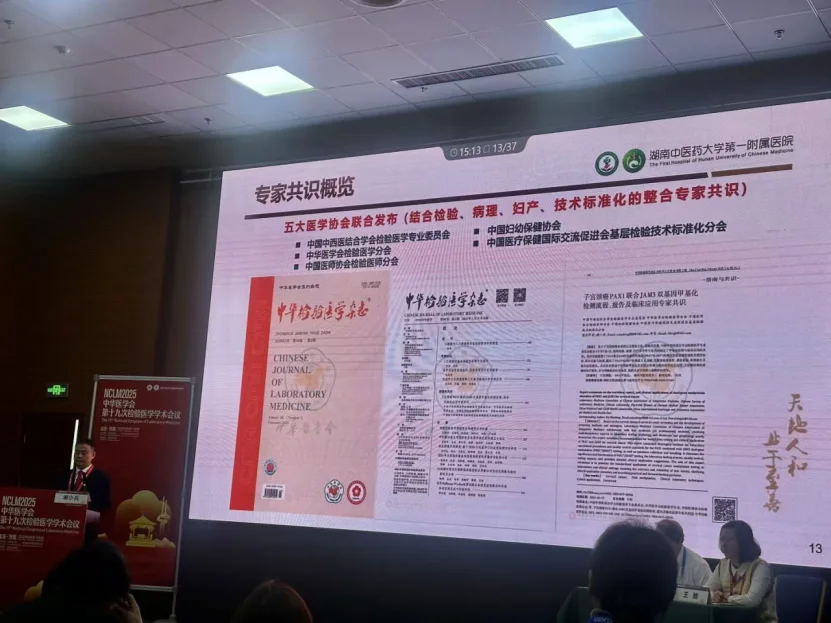
1. Standardized Testing Workflow, Ensuring Result Accuracy
The consensus detailed the full-process standards from sample collection to result interpretation, requiring establishment of a strict quality control system. Testing must be performed in gene amplification laboratories approved by competent authorities using approved reagents, ensuring detection quality from the source.
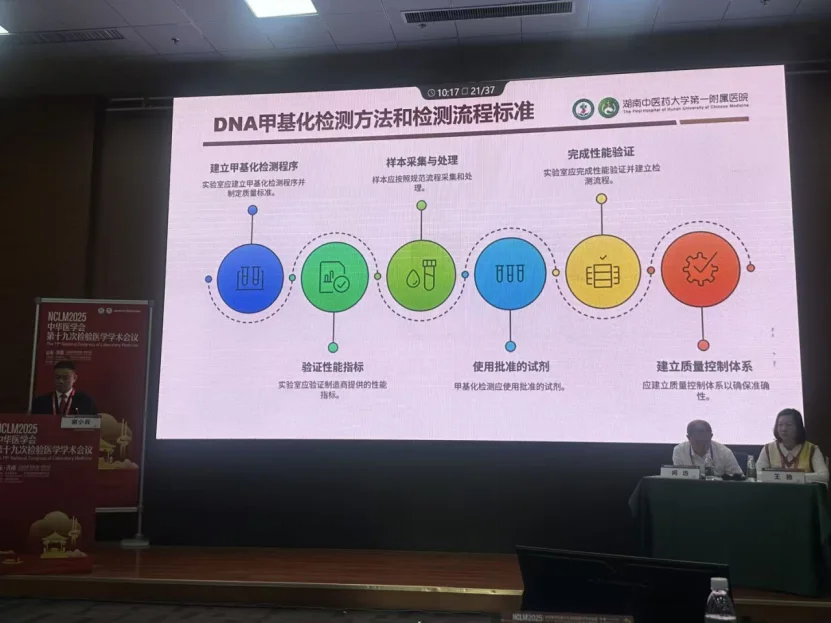
2. Clear Clinical Pathways, Guiding Standardized Application
The consensus innovatively integrates PAX1/JAM3 methylation detection with the existing cervical cancer screening system, providing clinicians with clear and easily executable application guidance. Based on the HPV testing (typed and untyped) and cytology reporting systems that physicians are already proficient with, the consensus designed standardized management pathways, ensuring that the new detection technology can seamlessly connect with existing clinical workflows.
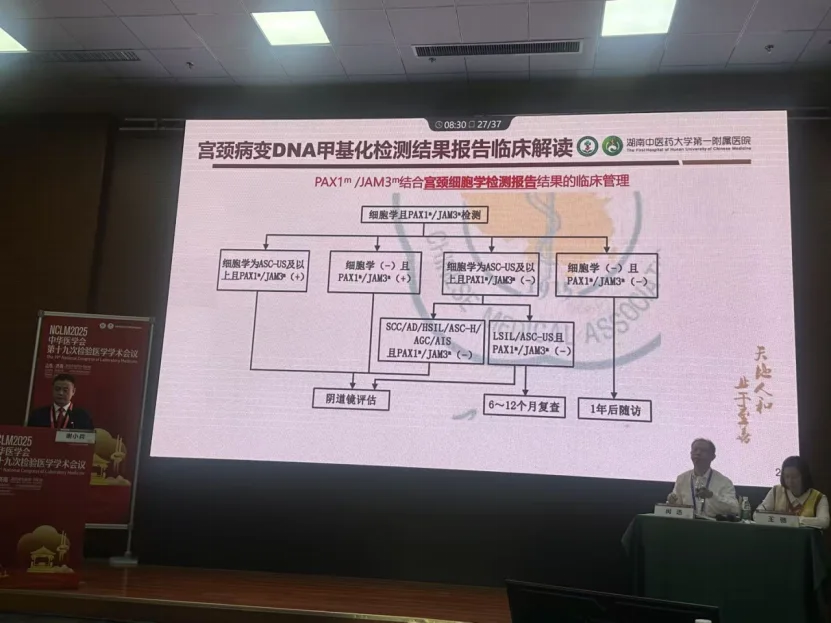
This design allows physicians to continue using familiar guideline-based pathways while incorporating the PAX1/JAM3 test report for comprehensive judgment, maintaining continuity of clinical standards while enhancing diagnostic precision. The clear clinical pathways in the consensus not only lower the threshold for adopting the new technology but also enhance result actionability through standardized reporting formats, providing concrete and clear decision support for different clinical scenarios.
By incorporating methylation detection into the existing screening system, the consensus enhances cervical lesion detection accuracy while ensuring that clinicians can quickly adapt to and standardize the application of this new technology, laying a solid foundation for advancing precision screening popularization.
3. Innovative Development Process, Ensuring Scientific Rigor and Representativeness
The development team paid particular attention to evaluating the level of clinical evidence and introduced clinical pathway flowcharts to visually demonstrate the specific application scenarios of methylation detection in cervical cancer screening. This scientifically rigorous development process makes the consensus a trustworthy practical guide for clinicians, providing clear guidance for standardized application of PAX1/JAM3 dual-gene methylation detection.
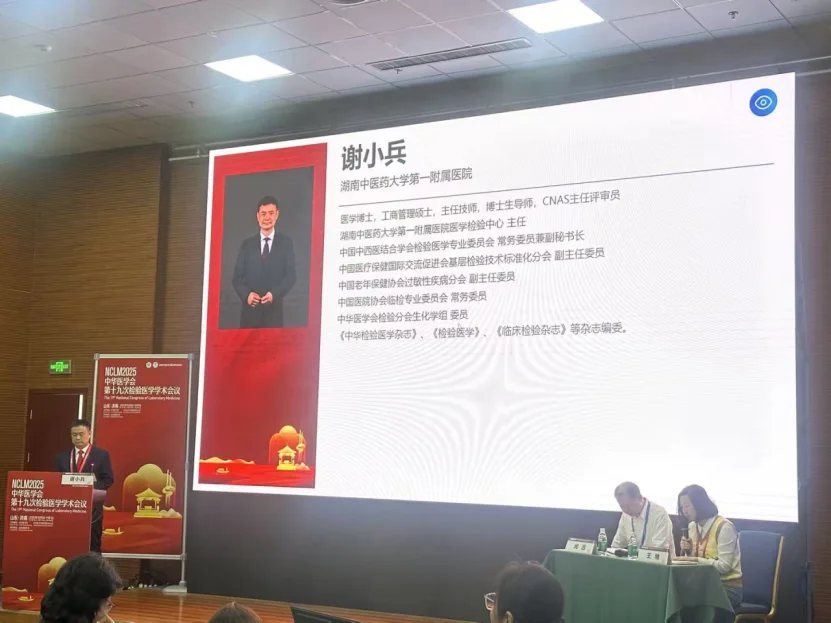
Professor Xie Xiaobing stated that this interdisciplinary expert consensus development model provides a reference template for future clinical application guideline development for other tumor biomarkers. As methylation detection technology continues to develop and clinical application experience accumulates, the consensus content will continue to be updated and refined.
This high-level academic exchange not only showcased the fruitful achievements of methylation technology in the field of early tumor screening but also provided an important platform for promoting the standardization and normalization of its clinical application. As methylation detection technology matures and standardization systems are established, participating experts unanimously agreed that the accuracy of early tumor screening will be significantly improved, ultimately benefiting more patients.

Beijing Origin CISPOLY Biotechnology Co., Ltd. is a technology enterprise driven by innovative science and focused on health. CISPOLY is a pioneer in the field of early diagnosis of gynecologic tumors. With proprietary technology and patent-protected biomarkers at its core, the company has developed early diagnostic products for cervical cancer, endometrial cancer, ovarian cancer, and other gynecologic tumors, filling a void in this field.
As women pay increasing attention to their own health, the women's health market holds great promise. Beyond its gynecologic tumor early screening and diagnosis product line, CISPOLY will continue to build additional women's health-related product pipelines, striving to become a technology-innovation-driven leader in the women's health market.