CISCER® Clinical Guide (I) | Solving Cervical Cancer Screening and Management Challenges Through Molecular Pathology
1. Core Perspective
The CISCER® (PAX1/JAM3) gene methylation test, through objective quantification of methylation levels of specific genes in exfoliated cervical cells, provides a precision tool for clinical decision-making based on molecular pathology. It directly addresses the core dilemma in current cervical cancer screening — how to precisely distinguish high-risk populations requiring immediate intervention from low-risk populations needing only routine follow-up — thereby effectively resolving the coexisting clinical challenges of "over-referral" and "potential missed diagnosis" after an initial positive HPV screen.
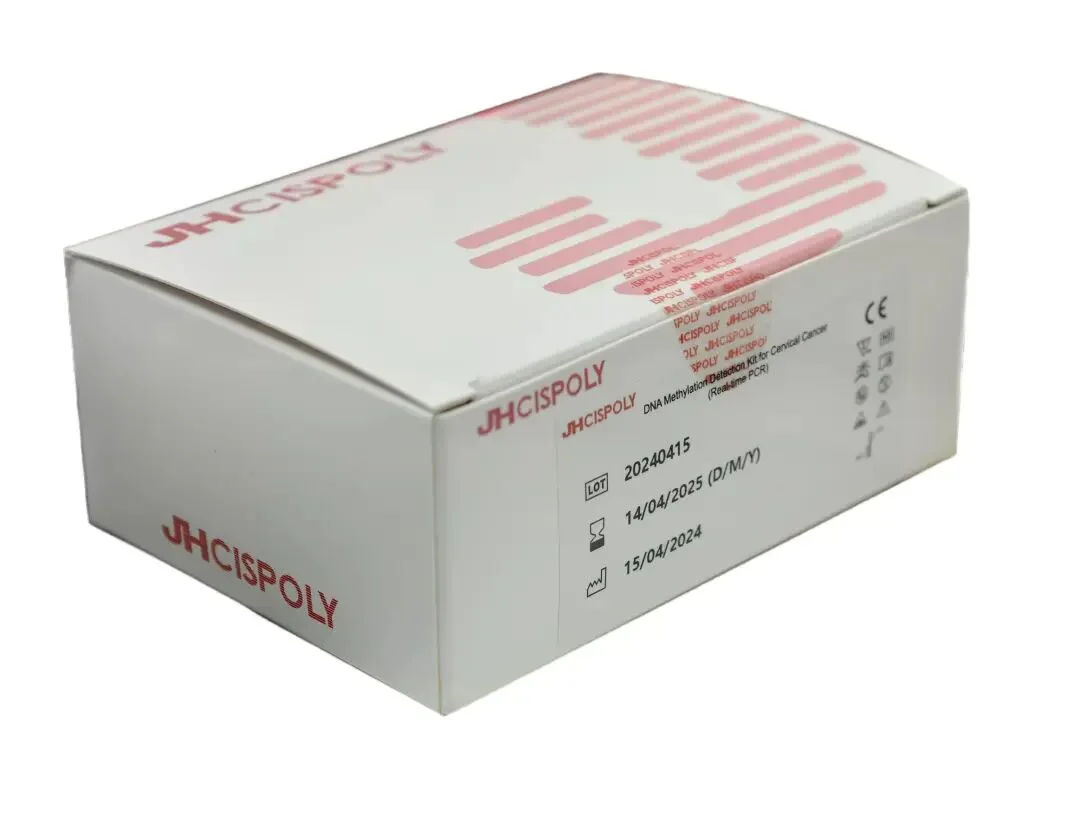
2. Product Positioning and Certification
CISCER® is a molecular diagnostic product for non-invasive early detection of cervical cancer. It received Class III medical device certification from China's National Medical Products Administration (NMPA) in March 2023 (Registration No.: 20233400253). Its reliability and accuracy have been clinically validated, providing a precise, convenient new option for cervical health risk management.
3. Detailed Clinical Value
1. Addressing Pain Points: Limitations of Current Screening
The existing "HPV + TCT" co-testing model still faces multiple challenges:
-
· Insufficient specificity of HPV testing: Leads to unnecessary colposcopy referrals and psychological burden for a large number of women with transient infections.
-
· Limited sensitivity of cytology (TCT): Result interpretation is subjective, and detection of high-grade squamous intraepithelial lesions (HSIL) may involve missed diagnoses.
-
· Diagnostic difficulties in special populations: Postmenopausal women, due to transformation zone atrophy, and those with occult lesions have higher missed diagnosis rates with traditional examinations (including endocervical curettage).
2. Solution: The Molecular Pathology "Ruler"
PAX1/JAM3 gene methylation is a stable molecular biological change that occurs early in cervical carcinogenesis (at the HSIL stage). Detecting this marker is equivalent to directly probing the cell's "lesion status" rather than merely remaining at the level of "viral infection status," thus providing more objective and direct molecular evidence for risk assessment.
3. Core Data Presentation (Evidence-Based Support)
-
·Precise risk stratification: Compared to HPV positivity alone, methylation levels can more specifically identify individuals transitioning from "infection" to "progressive lesions," helping to precisely identify high-risk individuals who require immediate colposcopy.
-
·High negative predictive value: Extremely strong ability to rule out histologically confirmed high-grade lesions (CIN2+). A negative test means the current risk of high-grade lesions is very low, providing reassurance for physicians and patients (especially HPV-positive patients), enabling effective triage and regular follow-up while avoiding overtreatment of low-risk populations. This is particularly important for women with fertility preservation needs.
-
· Prospective predictive value: Studies have shown that methylation positivity is an independent factor indicating elevated risk of future lesion progression. For patients with cytology results of ASC-US or LSIL, positive results can provide prospective warning, assisting physicians in deciding whether closer follow-up or active intervention is needed.
4. Clear Clinical Pathways (Application Scenarios)
CISCER® is applicable in the following scenarios, providing molecular evidence for precision management:
-
· Core triage scenario: Used for effective risk stratification and management after an initial positive HPV screen (especially non-16/18 types) or when cytology results are inconclusive (ASC-US/LSIL).
-
· Supplementary screening for special populations: Applicable for postmenopausal women, immunosuppressed populations, patients with recurrent vaginitis, etc., as a supplementary examination to improve lesion detection rates.
-
· Fertility preservation decision-making: For young women with fertility needs (especially those who are HPV 16/18 positive), it can assist in assessing lesion risk, helping clinicians avoid unnecessary overtreatment and practice non-invasive follow-up.
-
· Post-treatment follow-up monitoring: After excisional treatment for high-grade cervical lesions, it can be combined with HPV testing and/or cytology for more sensitive and specific follow-up to provide early indication of recurrence risk.
5. Summary
The CISCER® methylation test drives a paradigm shift in cervical cancer screening from "virus screening" to "high-grade lesion risk screening." As an NMPA-certified precision tool, it helps physicians optimize medical resource allocation, improve diagnostic and treatment efficiency, effectively reduce overtreatment while ensuring that truly high-risk lesions are not missed, making it a key weapon in achieving precision prevention and treatment of cervical cancer.

Beijing Origin CISPOLY Biotechnology Co., Ltd. is a technology enterprise driven by innovative science and focused on health. CISPOLY is a pioneer in the field of early diagnosis of gynecologic tumors. With proprietary technology and patent-protected biomarkers at its core, the company has developed early diagnostic products for cervical cancer, endometrial cancer, ovarian cancer, and other gynecologic tumors, filling a void in this field.
As women pay increasing attention to their own health, the women's health market holds great promise. Beyond its gynecologic tumor early screening and diagnosis product line, CISPOLY will continue to build additional women's health-related product pipelines, striving to become a technology-innovation-driven leader in the women's health market.